
Unveiling Ylang Ylang: Origins, Extraction Methods, and Its Healing Mystique
- Heather Enochs
- Mar 5
- 3 min read
Ylang ylang is a fragrant flower known for its rich aroma and versatile uses. This tropical bloom has captured attention not only for its scent but also for its applications in health and spiritual practices. Understanding where ylang ylang comes from, how its oil is extracted, and the ways it benefits both body and mind reveals why it remains a treasured natural resource.
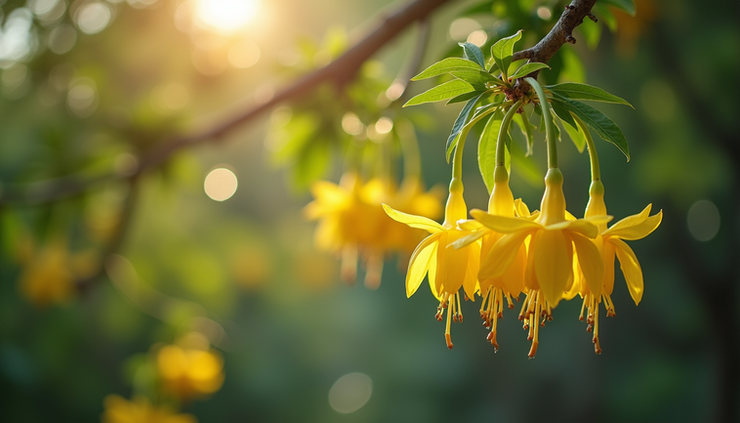
Origins of Ylang Ylang
Ylang ylang (Cananga odorata) is native to Southeast Asia and the South Pacific islands. It thrives in warm, humid climates, especially in countries like the Philippines, Indonesia, and Madagascar. The name "ylang ylang" means "flower of flowers" in Tagalog, reflecting its highly prized fragrance.
The tree itself can grow up to 12 meters tall, producing star-shaped yellow-green flowers that emit a sweet, floral scent. These flowers bloom year-round, making ylang ylang a reliable source for essential oil production.
How Ylang Ylang Oil Is Extracted
The essential oil of ylang ylang is extracted through steam distillation, a process that captures the flower’s aromatic compounds without damaging them. Here’s how it works:
Harvesting: Flowers are handpicked early in the morning when their scent is strongest.
Distillation: The fresh flowers are placed in a distillation chamber where steam passes through, releasing the essential oils.
Separation: The steam and oil vapor condense into liquid, and the oil is separated from the water.
Grading: Ylang ylang oil is divided into grades based on the distillation time. The first fraction, called "extra," is the most fragrant and expensive, while later fractions have a heavier scent.
This method preserves the delicate fragrance and therapeutic properties of ylang ylang oil, which is why it is highly valued in perfumery and aromatherapy.
Medical Uses of Ylang Ylang
Ylang ylang oil has been studied for various health benefits, often used in traditional and modern medicine. While more research is needed to confirm all effects, some uses are supported by evidence:
Stress Relief: Inhaling ylang ylang oil may reduce anxiety and promote relaxation. Studies show it can lower heart rate and blood pressure, helping to calm the nervous system.
Mood Enhancement: The scent is believed to uplift mood and reduce feelings of depression. Aromatherapy sessions often include ylang ylang for emotional balance.
Skin Care: Due to its antiseptic and anti-inflammatory properties, ylang ylang oil is used in skincare products to soothe irritation and improve skin health.
Pain Relief: Some traditional practices apply diluted ylang ylang oil to relieve muscle pain and cramps.
It is important to use ylang ylang oil properly, as it can cause skin sensitivity in some people. Always dilute before topical use and consult a healthcare provider if pregnant or nursing.

Mystical and Spiritual Uses
Beyond its physical benefits, ylang ylang holds a special place in spiritual and mystical traditions. Its scent is thought to connect the physical and spiritual worlds, making it popular in rituals and meditation.
Enhancing Meditation: Burning ylang ylang incense or diffusing its oil can deepen meditation by calming the mind and opening emotional awareness.
Attracting Love: Many cultures associate ylang ylang with love and sensuality. It is used in love spells and rituals to attract romance and strengthen relationships.
Balancing Energy: In energy healing, ylang ylang is believed to balance the heart chakra, promoting compassion and emotional healing.
Protection: Some traditions use ylang ylang to ward off negative energy and create a peaceful environment.
These mystical uses highlight the flower’s symbolic power, which complements its physical healing properties.

Final Thoughts on Ylang Ylang
Ylang ylang is more than just a fragrant flower. Its origins in tropical regions, careful oil extraction process, and diverse uses make it a unique natural resource. Whether used to ease stress, improve skin, or enhance spiritual practices, ylang ylang offers a blend of benefits that appeal to many.
Comments