
Unlocking the Power of Aromatherapy: History, Benefits, and How It Works
- Heather Enochs
- Mar 5
- 3 min read
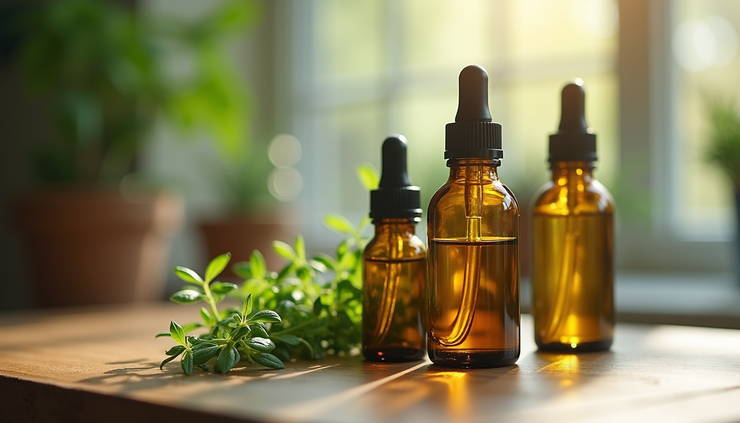
Aromatherapy has grown in popularity as a natural way to support well-being. Many people turn to essential oils and fragrant plants to help reduce stress, improve mood, and promote relaxation. But how exactly does aromatherapy work? Where did it come from? And what benefits can it truly offer? This post explores the basics of aromatherapy, tracing its history, explaining how it works, and highlighting its potential advantages.
The Origins of Aromatherapy
Aromatherapy is not a new practice. Its roots stretch back thousands of years across many cultures. Ancient Egyptians used fragrant oils in religious ceremonies, beauty treatments, and medicine. They extracted scents from plants like frankincense and myrrh, which were highly valued.
In traditional Chinese medicine, aromatic herbs played a role in healing and balancing the body’s energy. Similarly, Indian Ayurveda incorporated essential oils for physical and spiritual health.
The term "aromatherapy" itself was coined in the early 20th century by French chemist René-Maurice Gattefossé. After burning his hand in a lab accident, he applied lavender oil and noticed faster healing with less scarring. This experience sparked his research into the therapeutic effects of essential oils.
Since then, aromatherapy has evolved into a complementary therapy used worldwide. It combines ancient wisdom with modern science to explore how scents influence the mind and body.
How Aromatherapy Works
Aromatherapy uses essential oils extracted from plants. These oils contain concentrated compounds that carry the plant’s scent and properties. People use them in various ways, including:
Inhalation through diffusers or steam
Topical application with carrier oils
Bath additives
Massage oils
When inhaled, essential oil molecules interact with the olfactory system in the nose. This system sends signals to the brain’s limbic system, which controls emotions, memories, and certain physiological functions. This connection explains why scents can quickly affect mood and stress levels.
Topical use allows oils to absorb through the skin, potentially influencing the body’s systems. Some oils have antimicrobial or anti-inflammatory properties, which may support skin health or relieve muscle tension.
The effectiveness of aromatherapy depends on the quality of oils, method of use, and individual response. It is important to use pure, properly diluted essential oils to avoid irritation or adverse effects.
Benefits of Aromatherapy
Research and anecdotal evidence suggest aromatherapy offers several benefits. Here are some of the most commonly reported:
Stress Reduction and Relaxation
Many essential oils, such as lavender, chamomile, and bergamot, have calming effects. Inhaling these scents can lower cortisol levels, the hormone linked to stress. Aromatherapy is often used in spas and wellness centers to create a soothing environment.
Improved Sleep Quality
Aromatherapy may help people fall asleep faster and enjoy deeper rest. Lavender oil is frequently studied for its sleep-promoting effects. A few drops on a pillow or in a diffuser can create a relaxing bedtime routine.
Mood Enhancement
Certain scents can uplift mood and reduce feelings of anxiety or depression. Citrus oils like orange and lemon are known for their energizing and refreshing qualities. Aromatherapy can be a gentle way to support emotional well-being.
Pain Relief
Some essential oils have analgesic and anti-inflammatory properties. Peppermint and eucalyptus oils are popular choices for relieving headaches, muscle pain, or joint discomfort. When combined with massage, aromatherapy may enhance pain management.
Respiratory Support
Eucalyptus and tea tree oils have antimicrobial effects and can help clear nasal passages. Aromatherapy can assist in easing symptoms of colds or allergies when used properly.
Practical Tips for Using Aromatherapy Safely
To get the most from aromatherapy, consider these guidelines:
Choose high-quality, pure essential oils from reputable sources.
Always dilute essential oils with a carrier oil before applying to skin.
Perform a patch test to check for allergic reactions.
Avoid using essential oils near eyes or sensitive areas.
Consult a healthcare provider before use if pregnant, nursing, or managing health conditions.
Use diffusers in well-ventilated spaces and follow manufacturer instructions.
Examples of Popular Essential Oils and Their Uses
| Essential Oil | Common Uses | Notes |
|---------------|-------------|-------|
| Lavender | Relaxation, sleep aid, minor burns | Widely studied, gentle for most users |
| Peppermint | Headache relief, energy boost | Can be strong; avoid on sensitive skin |
| Eucalyptus | Respiratory support, muscle pain | Antimicrobial properties |
| Tea Tree | Skin infections, acne | Use diluted; can irritate sensitive skin |
| Bergamot | Mood enhancement, stress relief | Photosensitive; avoid sun exposure after use |
Aromatherapy in Everyday Life
Incorporating aromatherapy into daily routines can be simple and enjoyable. Some ideas include:
Adding a few drops of essential oil to a diffuser during work or study to improve focus.
Using scented bath salts or oils for a calming soak after a long day.
Applying diluted oils during massage to relieve tension.
Creating homemade room sprays or linen sprays with favorite scents.
Carrying a personal inhaler with uplifting oils for moments of stress.
These small practices can enhance well-being and create moments of mindfulness.


Comments